


2026-07-08
Heatwaves are reshaping homes and terraces as clients increasingly turn to external sun shading systems
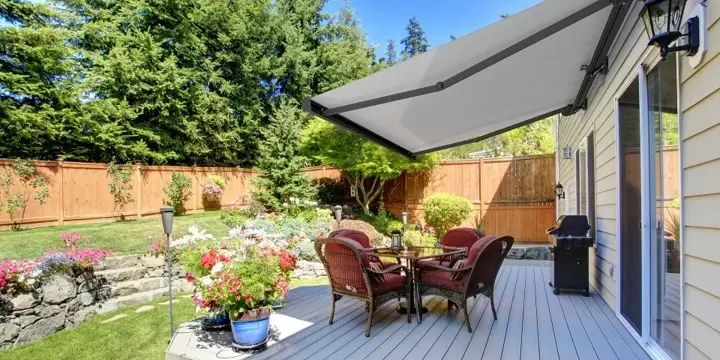
Hotter and hotter summers are increasing the importance of solutions that block direct sunlight before it causes rooms to overheat and makes terraces, balconies or restaurant gardens less comfortable to use. Aluprof is expanding its range of awnings as external sun shading systems designed to provide shade around large areas of glazing, as well as on balconies, terraces and commercial premises.
This trend forms part of the wider context of climate change. According to the European State of the Climate 2024 report, prepared by the Copernicus Climate Change Service (C3S) and the World Meteorological Organization (WMO), 2024 was the warmest year on record in Europe, while the continent has been warming at around twice the global average since the 1980s. The growing number of hot days is changing expectations of building protection. Users are increasingly asking how to prevent rooms from overheating in summer and how to make outdoor spaces more comfortable. The same issue is also becoming more prominent in the design and refurbishment of buildings. The revised Energy Performance of Buildings Directive (EPBD) places greater emphasis on improving the energy performance of buildings across Europe, taking account not only of heating demand but also of cooling.
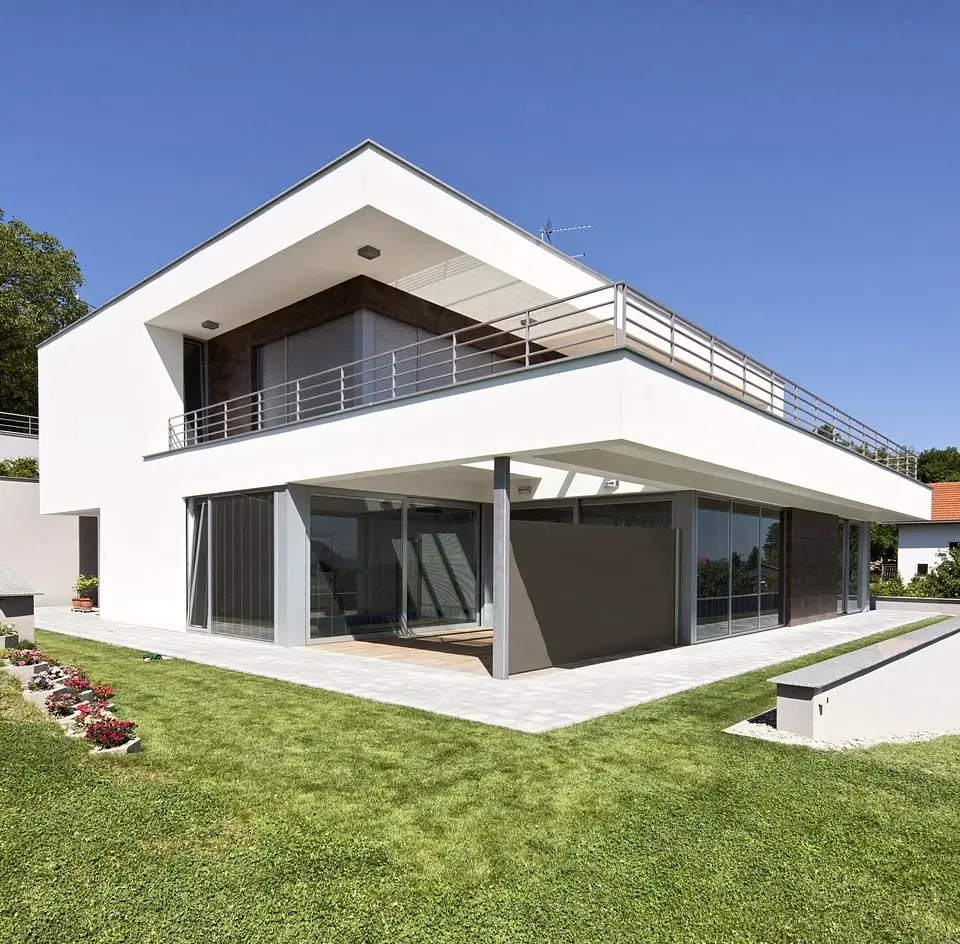
Contemporary architecture increasingly features large areas of glazing, which maximise access to daylight but also increase the risk of interiors overheating. With panoramic patio doors, summer comfort depends above all on how much solar radiation can be stopped before it reaches the glass. Well-chosen sun shading systems, such as awnings, provide shade exactly where it is needed: over a seating area, by the entrance to a garden, on a balcony or above an outdoor hospitality area. It is a simple solution, but its effectiveness depends on selecting the right structure, projection and fabric.
Agata Brandt, Training and Technical Support Coordinator at Aluprof Sun Shading Solutions.
External shading: stopping the sun before it reaches the glass
External sun shading systems intercept the sun’s rays before they reach the glass, where it is easiest to reduce the amount of solar radiation entering the interior. The Whole Building Design Guide notes that well-designed shading can reduce solar heat gains and a building’s cooling demand. The International Energy Agency includes external shading among passive design solutions that complement measures to improve cooling efficiency.
An awning is no substitute for a building energy strategy. It can, however, become a practical and highly visible part of one: providing shade on a terrace, reducing direct sunlight around glazed areas and extending the time people can comfortably spend in the space around a home or commercial premises.
Comfort at home, on balconies and in outdoor spaces
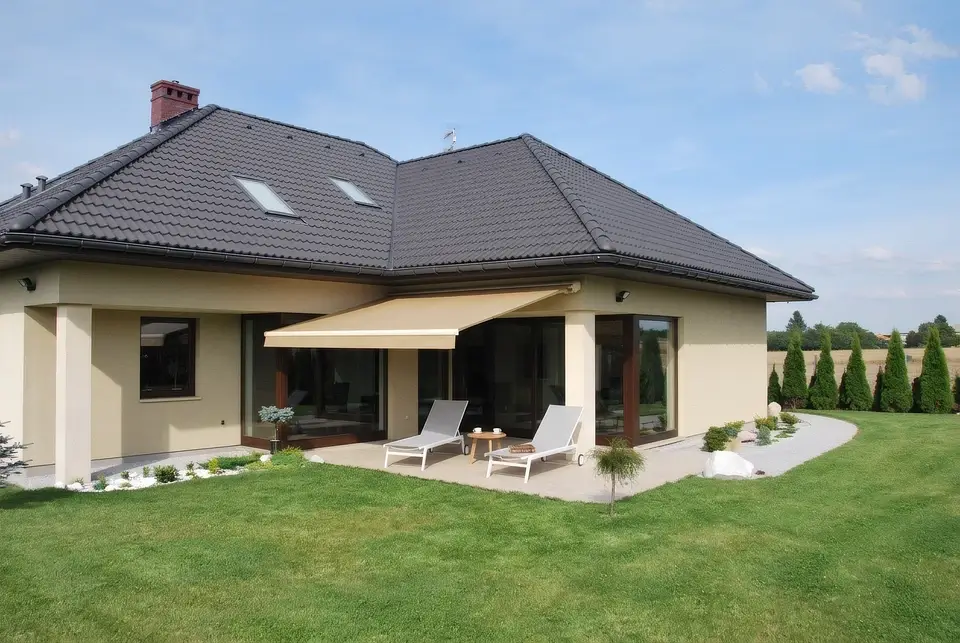
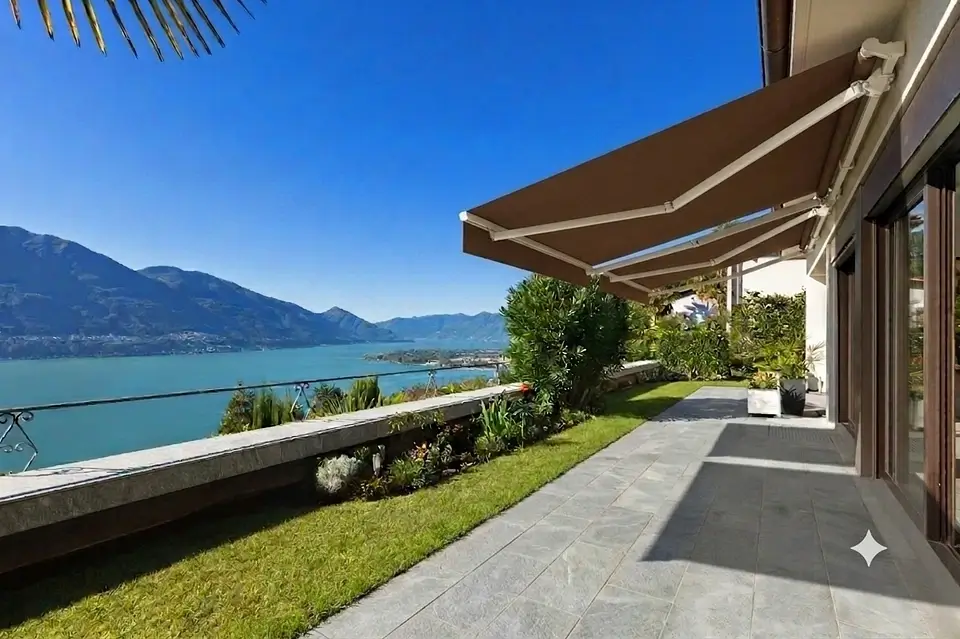
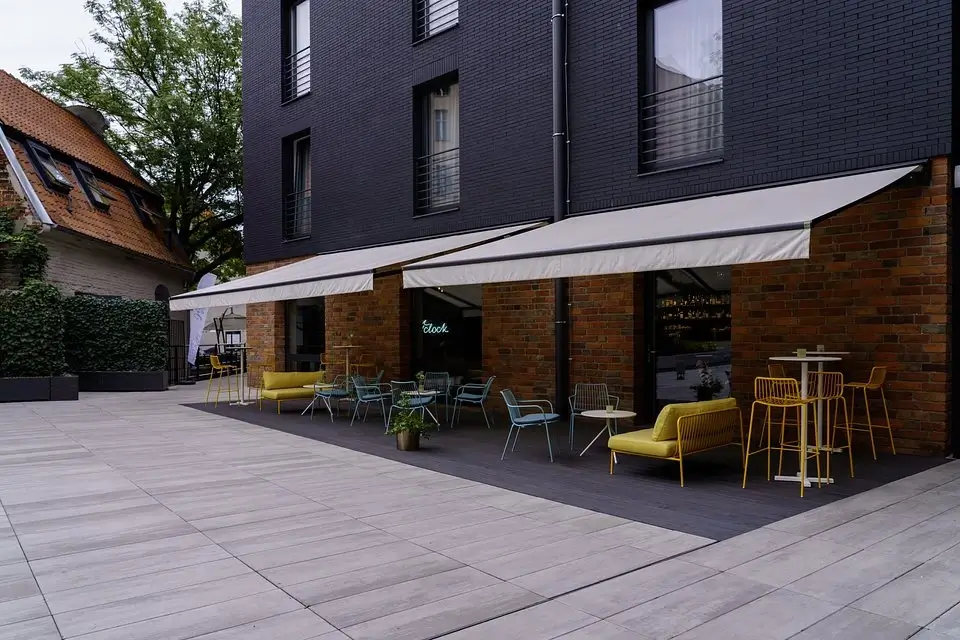
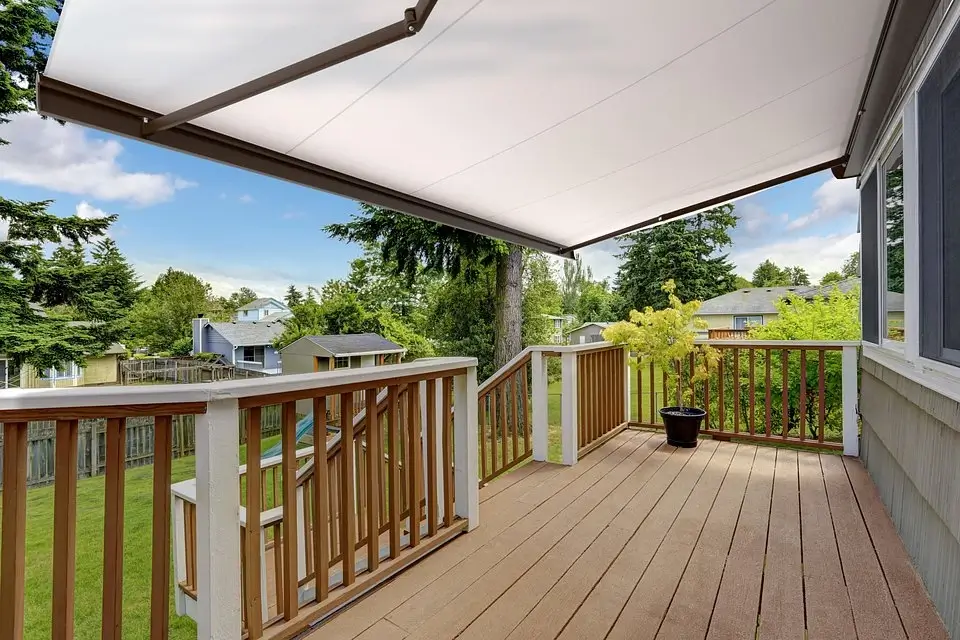
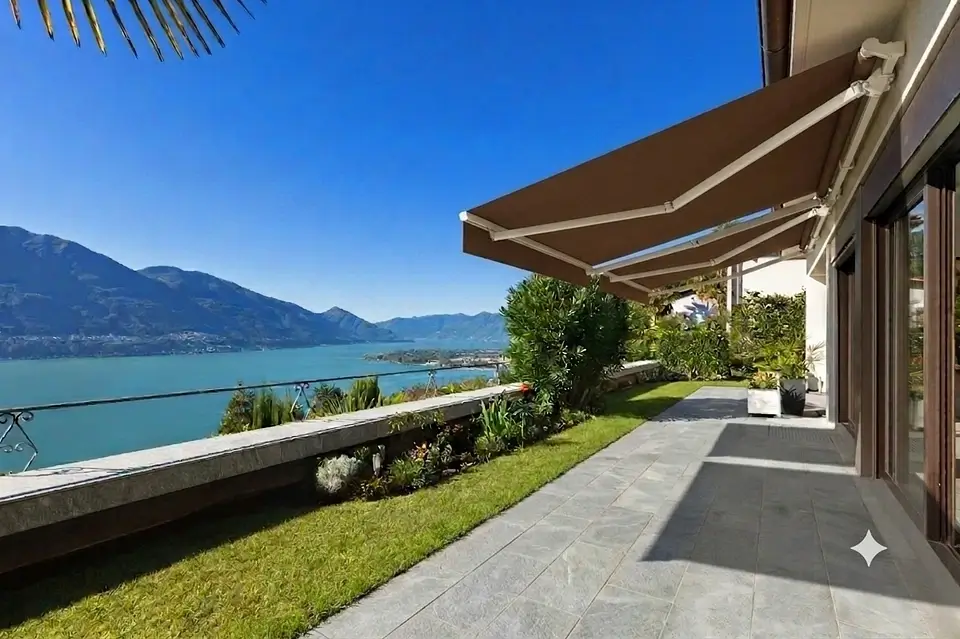
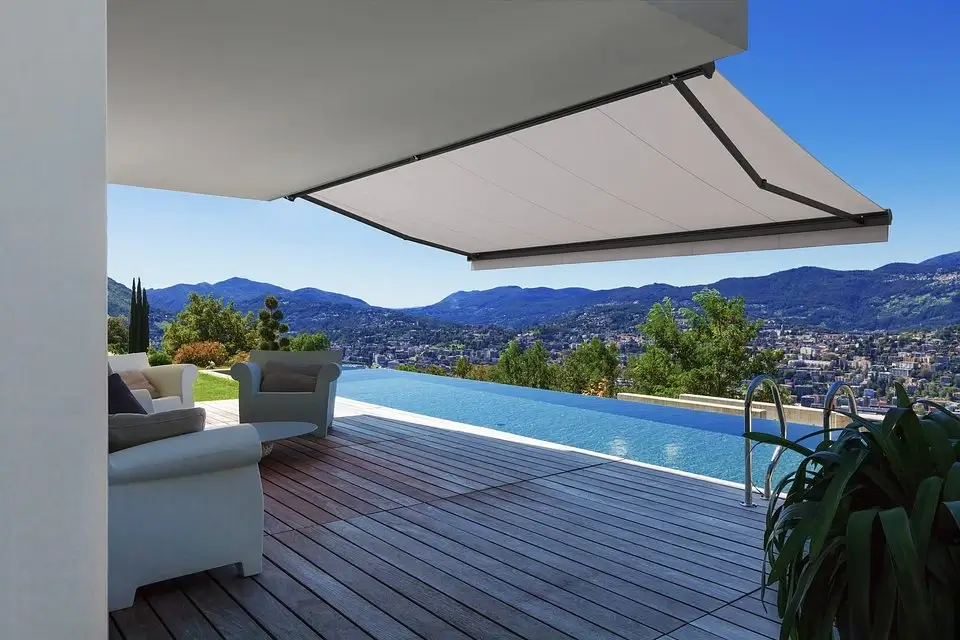
In detached homes, an awning shades a seating area connected to the living room or garden. In flats, it makes a balcony more usable, especially when it is exposed to intense sunlight. In restaurants, cafés and hotels, it improves the comfort of outdoor dining areas and terraces – an important consideration in summer, both for guests and for the way the space is organised.
Aluprof approaches awnings as solutions selected for a specific setting. Its range includes terrace, balcony-and-window and side awnings in a variety of configurations. Models such as Palladio, Dakar, Italia and Bora are designed for different applications, from shading a large terrace or balcony to providing lateral protection from the sun and wind. Their shared purpose is to regulate light and shade throughout the day without completely blocking the view.
Durability, aesthetics and environmental performance
Durability and aesthetics are equally important. Aluprof manufactures awning structures from extruded aluminium and offers fabrics in 150 designs, allowing each system to be matched to the character of the façade or terrace. Aluminium matters not only from a structural perspective, but also from an environmental one: Aluprof aluminium profiles have a carbon footprint of 2.31 kg CO₂e/kg. Awning fabrics reduce direct exposure to the sun, limiting the amount of light and heat reaching the shaded area while helping users remain comfortable outdoors. Waterproof acrylic fabrics offer enhanced resistance to water penetration, with a water-column rating of approximately 1,000 mm. They are also Oeko-Tex® certified, confirming that they have been tested for substances that may be harmful to users. Another advantage is the ability to tailor operation to individual needs, as awnings can be controlled manually or automatically.
The structure of an awning matters, but users also notice the colour of the fabric, the shape of the cassette and how the system looks when retracted. That is why the chosen solution should combine technical performance with the architecture of the building.
– Agata Brandt, Aluprof Sun Shading Solutions.
Summer comfort as part of the wider building conversation
External sun shading systems bring together the perspective of users seeking shade and comfort with that of designers and investors, for whom summer comfort, resistance to overheating and the responsible use of energy are becoming increasingly important. As summers grow warmer, awnings are no longer simply terrace accessories. They are becoming one of the practical tools used to improve building comfort during the hottest months of the year.
About Aluprof
Aluprof is a Polish manufacturer of aluminium solutions for residential, commercial and industrial construction. The company offers window and door, façade, fire-rated and sun shading systems, as well as pergolas for modern, energy-efficient buildings. Aluprof is part of Grupa Kęty and continues to expand internationally, supporting architects, project owners, contractors and fabricators in delivering projects with demanding technical requirements.
More information: https://aluprof.com/
Other news