BLOG



It is best to plan the selection of sunshades at the window design stage, rather than only after construction has been completed. Only then can the installation method, guides, control system and appearance of the façade be properly coordinated. In practice, the aim is for the sun protection systems and windows to form a cohesive whole: improving thermal comfort, helping to control the amount of light and not disrupting the proportions of the façade. Alongside aluminium windows, Aluprof’s range includes a wide selection of sunshades, such as roller shutters, screens and façade blinds, allowing the entire glazed area to be treated as a single, well-coordinated element of the house.

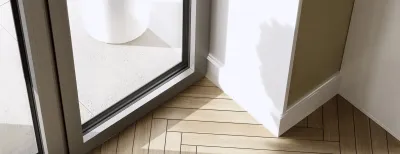
When discussing the energy efficiency of buildings, the most common topics are glazing specifications, the thickness of wall insulation and the performance class of joinery. Far less attention is paid to a phenomenon which, in practice, can determine actual energy losses, comfort of use and the durability of building envelopes – namely, thermal bridges in windows.
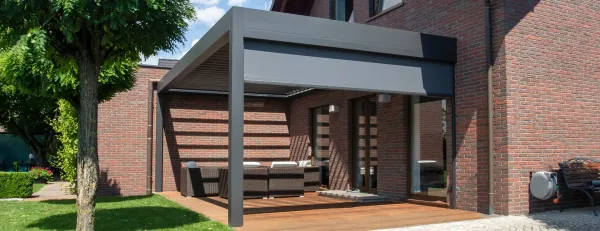
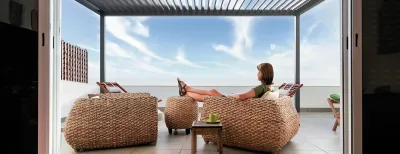
Large glazed areas and open terraces are among the most distinctive features of modern homes. They provide access to natural light and open up the interior to the garden, but in summer they can cause spaces to overheat. This is precisely why increasing attention is being paid to ...
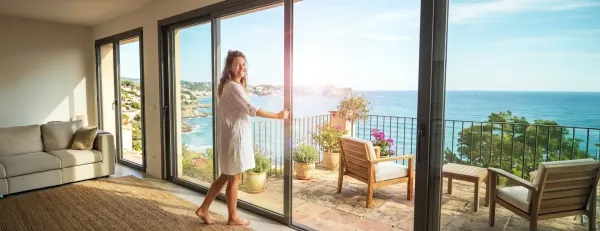
When choosing windows and doors, it is not only their appearance and thermal insulation performance that matter. The opening mechanism plays an equally important role, as it affects ease of use, the amount of space required around the sash, and how easily the room can be ventilat...
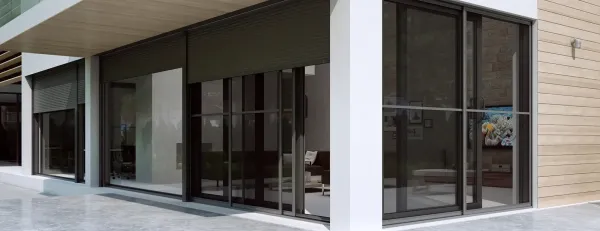
Rising energy costs mean that investors are paying ever closer attention not only to the specifications of windows and doors, but also to the elements that work in conjunction with the joinery. External roller shutters play a key role here – they influence the building’s thermal ...
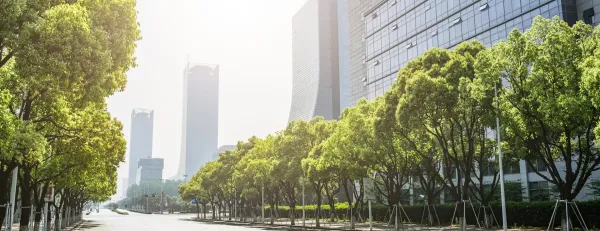
Modern construction is increasingly guided by the principles of sustainable development. Investors, architects, and developers are turning to solutions that not only improve user comfort but also minimise the environmental impact of buildings. In this context, international green...

With global climate change, reducing the carbon footprint is becoming one of the most pressing challenges for the construction industry. From material production to use and recycling, every stage of a building’s life cycle has an impact on the environment. This is why we need sol...

Sustainable design is a topic that is being discussed more and more often, with a focus on energy saving and environmental awareness. Nevertheless, investors remain skeptical because of the numerous myths surrounding sustainable construction. Let’s explode the five most common mi...
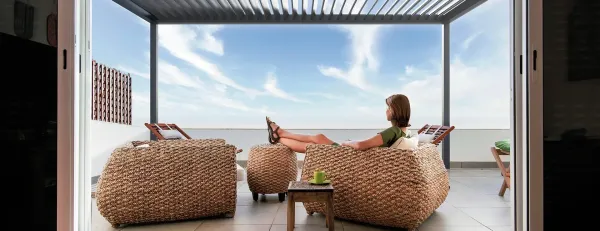
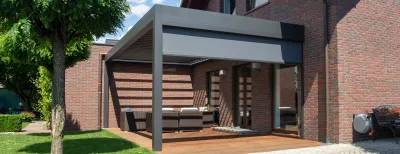
In modern homes, the boundary between the interior and the outdoor space is becoming increasingly blurred. The terrace is no longer merely an addition to the building but increasingly serves as a natural extension of the living room or dining room.
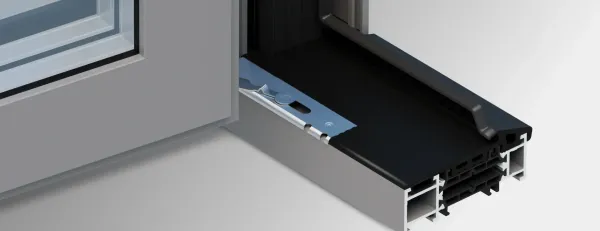
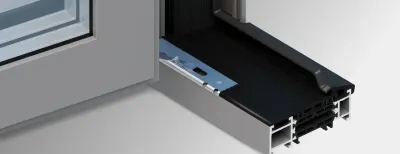
Before buying aluminium windows, it is easy to focus on the colour, price or the U-value alone. These are important factors, but they do not give the full picture. Whether a window will be durable, airtight and comfortable in everyday use depends largely on the profile and fittin...
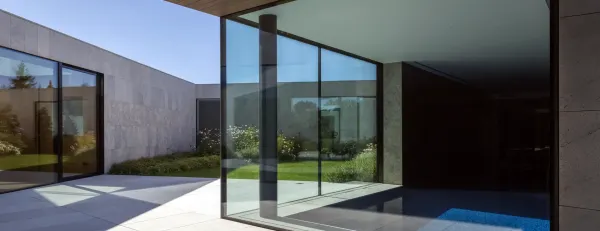
Corner windows are among the features of a house that most significantly alter the appearance of the building and its interior. They let in more light, open up the view and make a room seem larger, but at the same time they require more careful planning than a standard window set...
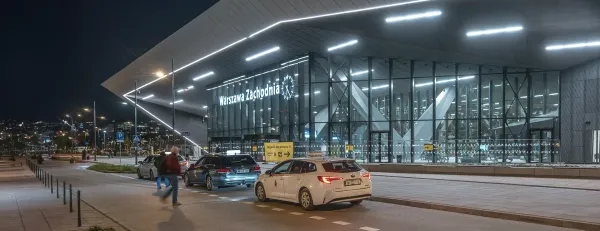
For decades, Warsaw West Station was one of the capital’s most important transport hubs, but its architecture and functionality had long failed to keep pace with the volume of traffic. This place, through which tens of thousands of passengers passed every day, operated on the bas...
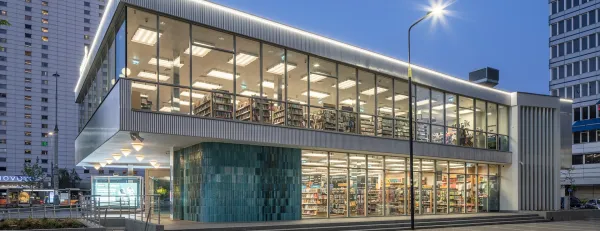
Right in the heart of Warsaw, at the junction of Marszałkowska Street and Aleje Jerozolimskie, stands a building that for decades was one of the most recognisable symbols of post-war modernism. The Cepelia Pavilion, built in 1966, was more than just a commercial building – it emb...

Warsaw’s Hala Koszyki is a striking example of how history can be respectfully combined with modernity, aesthetics with functionality, and tradition with the principles of sustainable development. Thanks to a meticulously executed renovation, the building has regained its former ...