BLOG



Large aluminium windows are increasingly being chosen by investors for both private buildings (e.g. single-family homes, modern apartment buildings) and public buildings and office buildings.
The panoramic glazing not only looks beautiful from the outside, but optically enlarges the interior. Due to their size, they are also an excellent source of sunlight. This, in turn, has a significant impact on the amount of electricity needed to light the rooms and contributes to lower electricity bills.
It is not just the size of the windows themselves that matters in the amount of light transmitted. The size of the frame itself is also a big factor, and because it is made of aluminium, it is strong, so it can be very thin. This gives us a large glazing area. But does this affect the environmental performance of aluminium windows?
To understand whether large aluminium windows can be energy efficient, it is worth looking at the heat transfer coefficient (Uw). This parameter measures the amount of heat that passes through a square metre of window when the temperature changes by 1 degree between inside and outside. The lower the coefficient, the better the insulation of the window. In order to keep the house warm, a Uw of less than 0.9 is recommended.
Every good aluminium window manufacturer has a range of models for energy-efficient construction. Some of them are equipped with such advanced insulation solutions that they have been awarded a passive building certification, which entails meeting highly stringent standards in this respect.
Large aluminium windows, especially those based on modern profiles, can combine impressive design with high energy efficiency. In practice, this means that by choosing them for our home or commercial development, we can enjoy plenty of natural light while minimising heat loss. The key to achieving this effect is to choose high-quality windows that not only provide an excellent visual effect, but will also serve us reliably for many years.
It is therefore very important that the aluminium window manufacturer from whom we place our order has the necessary certificates to guarantee high-quality workmanship and functionality to take full advantage of the ecological aspects of the aluminium joinery.
Before making a decision, it is advisable to familiarise yourself with the available window models, focusing not only on the opinions of previous customers, but also on the portfolio of implementations. This will ensure that the aluminium windows we choose will live up to the energy-saving hopes we have placed in them.
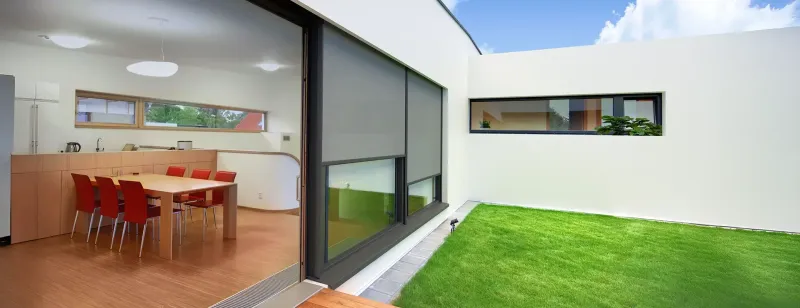
It is best to plan the selection of sunshades at the window design stage, rather than only after construction has been completed. Only then can the installation method, guides, control system and appearance of the façade be properly coordinated. In practice, the aim is for the su...
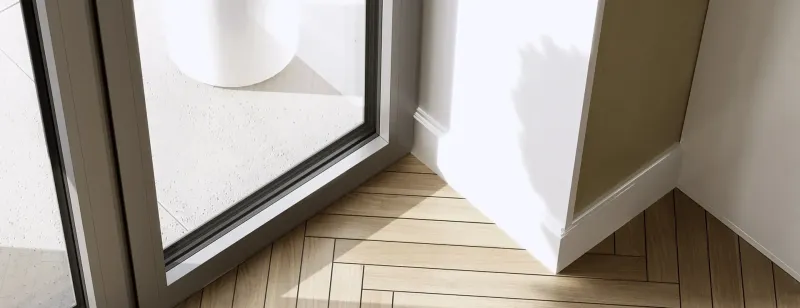
When discussing the energy efficiency of buildings, the most common topics are glazing specifications, the thickness of wall insulation and the performance class of joinery. Far less attention is paid to a phenomenon which, in practice, can determine actual energy losses, comfort...
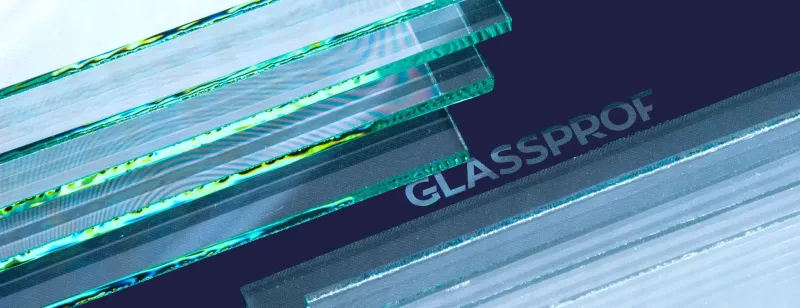
Choosing the right glazing should be taken just as seriously as choosing the window frame. It is the glass that makes up the majority of a window’s surface area, so it has a significant impact on whether the interior will be warm in winter and better protected from noise. In prac...