BLOG



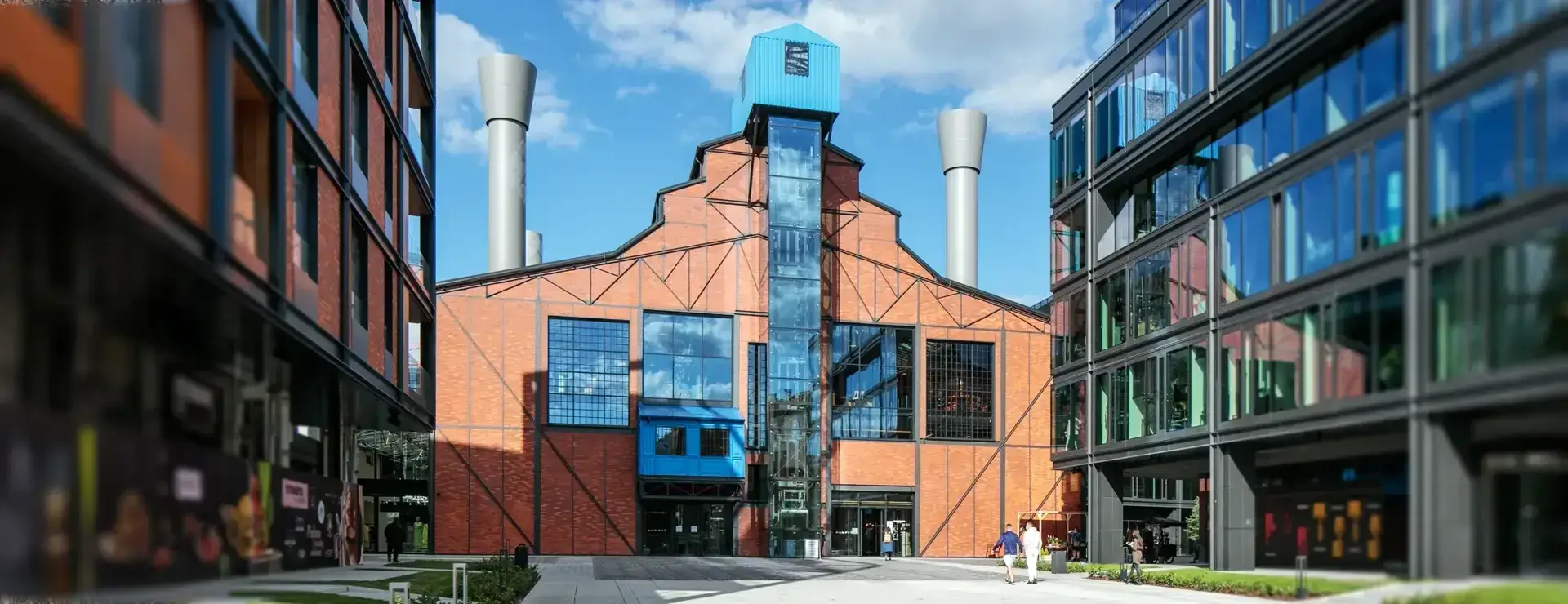
Elektrownia Powiśle is one of the most spectacular examples of revitalisation in Poland – a place where historic architecture meets modern, eco-friendly solutions. Once a power plant supplying the very heart of Warsaw, it has now been transformed into a multifunctional retail, residential, and hospitality complex. The entire process was carried out in line with low-emission principles, using innovative technologies and materials – including aluminium solutions from Aluprof.
The history of Elektrownia Powiśle dates back to the early 20th century, when the plant provided electricity for many of Warsaw’s emerging landmarks, including the Palace of Culture and Science. After its closure in 2001, the site stood empty for years, becoming a symbol of the capital’s post-industrial heritage.
Revitalisation work began in 2015 with the aim of preserving the site’s unique identity while adapting it to contemporary functional, ecological, and aesthetic standards. Today, Elektrownia Powiśle combines:
uses, serving as a model example of how industrial heritage can be adapted to the needs of a modern city.
Designers and developers pursued an approach that minimised environmental impact. A key decision was the reuse of existing structures, significantly reducing CO₂ emissions that would otherwise result from producing and transporting new construction materials.
The architectural concept was developed by APA Wojciechowski Architekci, a renowned Warsaw-based studio with long-standing expertise in the revitalisation of industrial sites. Their task was to preserve the original character of the power plant while integrating historic features with new forms and functions. The outcome is a harmonious blend of brick façades, steel structures, and high-performance glazed surfaces.
Circular economy principles were applied throughout the project, enabling the retention of original components such as brick elevations, steel details, and machinery hall elements. As a result, the construction process achieved a much lower carbon footprint than a conventional new-build development.
Aluprof aluminium solutions became an integral part of the redevelopment, providing excellent thermal and acoustic insulation while allowing for considerable design freedom. The complex incorporates products aligned with Aluprof’s ULC (Ultra Low Carbon) philosophy, based on recycled aluminium with a significantly reduced carbon footprint.
This ensures that the building envelope at Elektrownia Powiśle not only meets stringent aesthetic and functional requirements but also complies with demanding environmental criteria.
ULCA (Ultra Low Carbon Aluminium) is an Aluprof initiative aimed at supplying solutions manufactured with minimal energy consumption and maximum use of recycled input. This production method delivers a carbon footprint of less than 2.0 kg CO₂e per kilogram of aluminium – several times lower than the industry standard.
For Elektrownia Powiśle, this means that every square metre of aluminium joinery contributes to lowering greenhouse gas emissions throughout the building’s lifecycle. It shows how the restoration of heritage sites can go hand in hand with pro-ecological innovation.
As part of the refurbishment, modern glazing with high insulation performance and advanced ventilation systems with heat recovery were introduced. Together, these technologies reduce demand for heating and cooling energy, lowering operating costs and cutting CO₂ emissions during the building’s use phase.
At Elektrownia Powiśle, the following Aluprof systems were applied:
These solutions made it possible to introduce large glazed areas that flood the interiors with daylight, enhancing the experience of working, shopping, and relaxing, while meeting high standards of energy efficiency and low-emission design.
The case of Elektrownia Powiśle demonstrates that adapting historic sites can both safeguard cultural heritage and support climate goals. By incorporating ULC aluminium systems, reusing existing structures, and implementing energy-efficient technologies, the complex has become one of Poland’s most advanced and environmentally friendly examples of revitalisation.
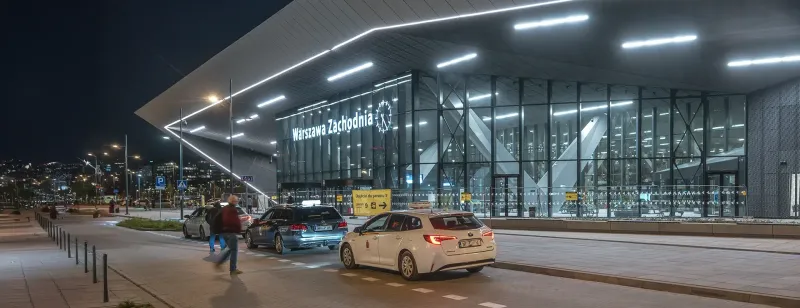
For decades, Warsaw West Station was one of the capital’s most important transport hubs, but its architecture and functionality had long failed to keep pace with the volume of traffic. This place, through which tens of thousands of passengers passed every day, operated on the bas...
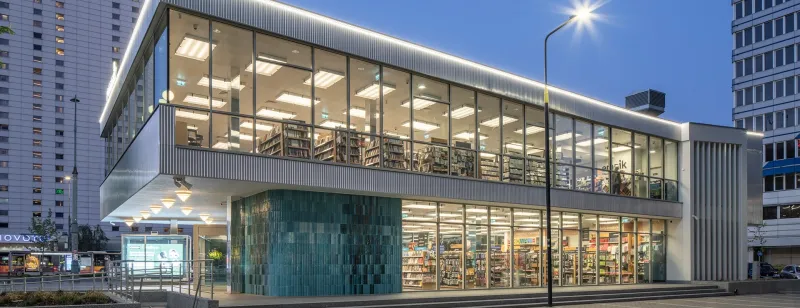
Right in the heart of Warsaw, at the junction of Marszałkowska Street and Aleje Jerozolimskie, stands a building that for decades was one of the most recognisable symbols of post-war modernism. The Cepelia Pavilion, built in 1966, was more than just a commercial building – it emb...
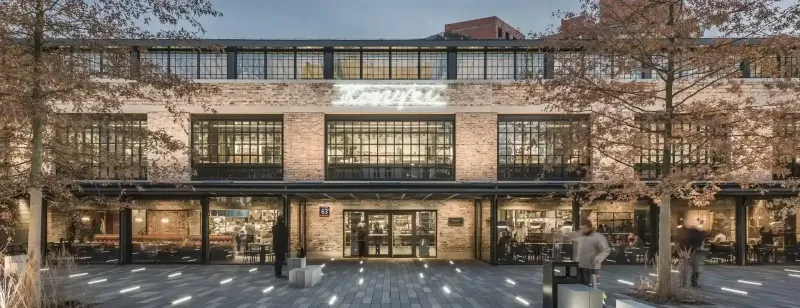
Warsaw’s Hala Koszyki is a striking example of how history can be respectfully combined with modernity, aesthetics with functionality, and tradition with the principles of sustainable development. Thanks to a meticulously executed renovation, the building has regained its former ...