BLOG



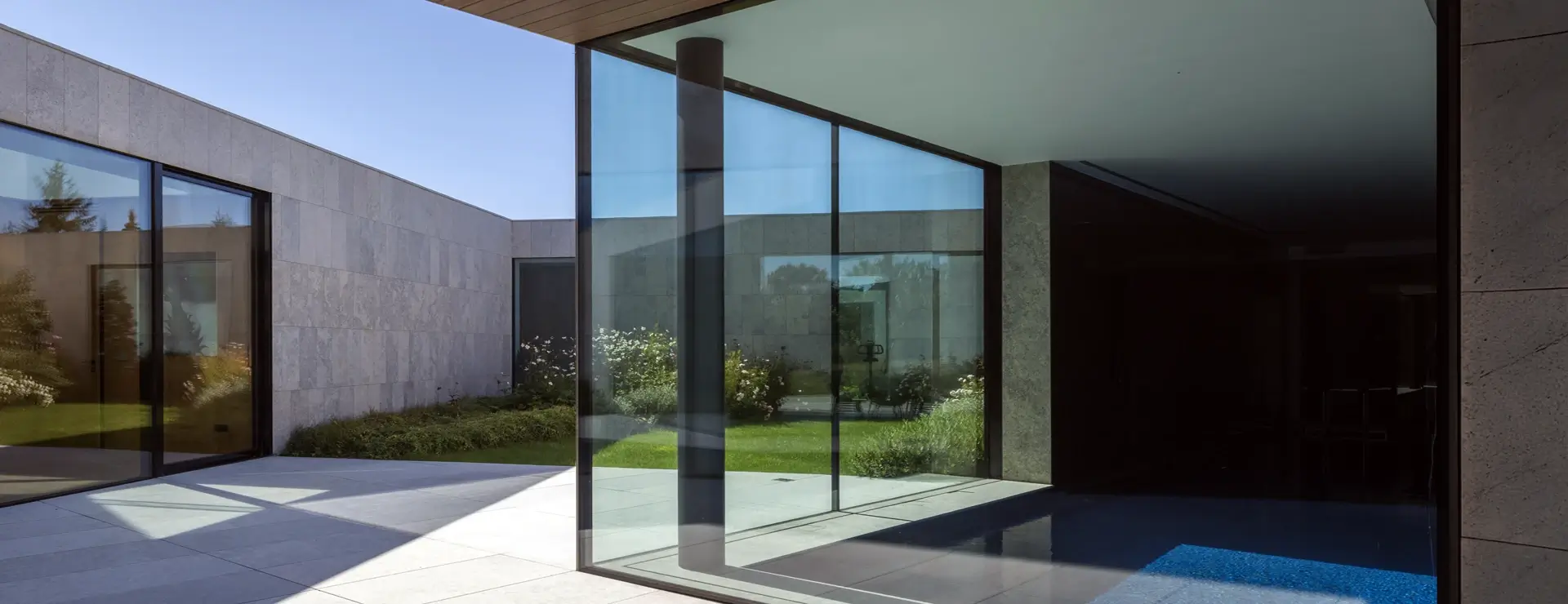
The greatest advantage of corner glazing is the way it interacts with light. The window floods the interior with light from two sides, making the living room, kitchen or dining room usually appear brighter and more spacious than with a traditional layout. This is important not only for aesthetic reasons – more daylight has a real impact on the comfort of everyday use of the rooms, and in a well-positioned house it can also enhance the feel of the entire living area. Aluminium corner windows are key elements of modern architecture, and installing them is a practical way to improve the lighting inside.
The second benefit concerns the view and the proportions of the interior. In a classic window, the frame clearly frames the view, whereas in a corner window, the glazing draws the eye further and connects the house more strongly with its surroundings. This is particularly evident in living rooms opening onto the garden or in kitchens, where large corner glazing can completely transform the character of the room. In practice, the effect depends on the type of corner unit: the mullion variant provides a clearer division and greater freedom in the use of opening sashes, whilst the mullion-free variant offers a visually lighter effect and restricts the view less.
The most significant limitation stems from the geometry of the corner unit itself. Compared to standard glazing, corner structures have a higher heat transfer coefficient due to the geometric thermal bridge. In practice, this means that such a detail must be treated more seriously than a standard window in a single wall. If the client wishes to achieve the effect of very light glazing, they should not focus solely on the external appearance, but also on the performance of the entire assembly.
The second limitation concerns load-bearing capacity and rigidity. A mullion-free corner looks more visually appealing but requires greater precision in design and execution. In such a configuration, the glazing units and sealing elements must be properly prepared. Conversely, a corner unit with a mullion makes the structure easier to work with and offers more options for opening sashes. Therefore, the choice between these two variants should not be based solely on aesthetic preferences. If frequent ventilation or greater sash stability is important in a given location, a mullion may simply prove to be the more sensible choice.
In practice, it is worth checking three things before choosing a specific option:
This is important because, with corner glazing, appearance alone is not enough. You also need to check whether the chosen profile and glazing unit will perform well in the given exposure, with the given level of sunlight and the expected thermal comfort. This is where the advantage of aluminium becomes clear: high rigidity and extensive design possibilities give greater control over the final result.
For corner windows, it is best to plan sunshades straight away, rather than only after selecting the joinery. Corner glazing usually lets in more light than a standard window, so the importance of protection against overheating and excessive sunlight also increases. Aluprof’s range includes various types of shading systems that can be adapted to the stage of the project and the appearance of the façade. In practice, screens and façade blinds work particularly well with large corner glazing. They help to reduce sunlight while allowing for better control of the amount of light inside.
It is also very important that external shading systems can be integrated with automation. The option of manual and electric control, as well as individual, group and centralised operation, are solutions that work perfectly with larger corner glazing. If the client is planning a house with a lot of glass from the outset, it is worth considering shading and control systems as early as the design stage. This makes it easier to maintain a consistent façade appearance and avoid compromises later on.
FAQ
Are corner windows difficult to install?
Yes, they are usually more demanding than standard windows, as the corner requires very precise workmanship and a tight seal. The mullion-free version is more demanding in this respect than the mullion-based variant. Therefore, with such glazing, a precise design, the right choice of profile and careful installation are crucial.
Which glazing systems work best in corners?
The best options are glazing units that are tailored to the room’s function and the capabilities of the specific profile. In practice, it is worth choosing profiles with good rigidity and a wide range of glazing options. It is important that the glazing unit matches the dimensions of the corner, the level of sun exposure and the desired interior comfort.
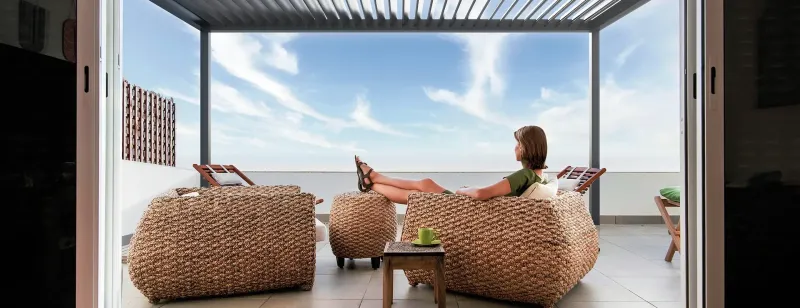
In modern homes, the boundary between the interior and the outdoor space is becoming increasingly blurred. The terrace is no longer merely an addition to the building but increasingly serves as a natural extension of the living room or dining room.
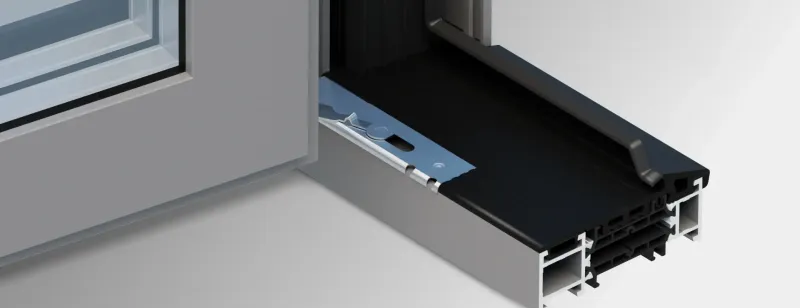
Before buying aluminium windows, it is easy to focus on the colour, price or the U-value alone. These are important factors, but they do not give the full picture. Whether a window will be durable, airtight and comfortable in everyday use depends largely on the profile and fittin...
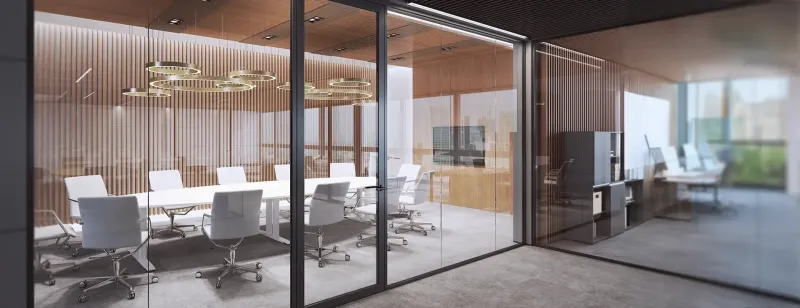
Today, acoustic design is no longer limited to concert halls or recording studios. Good acoustic conditions are just as important in homes, open-plan offices, hotels and schools. Excessive noise can lead to fatigue, concentration problems, and even long-term health effects. That ...