BLOG



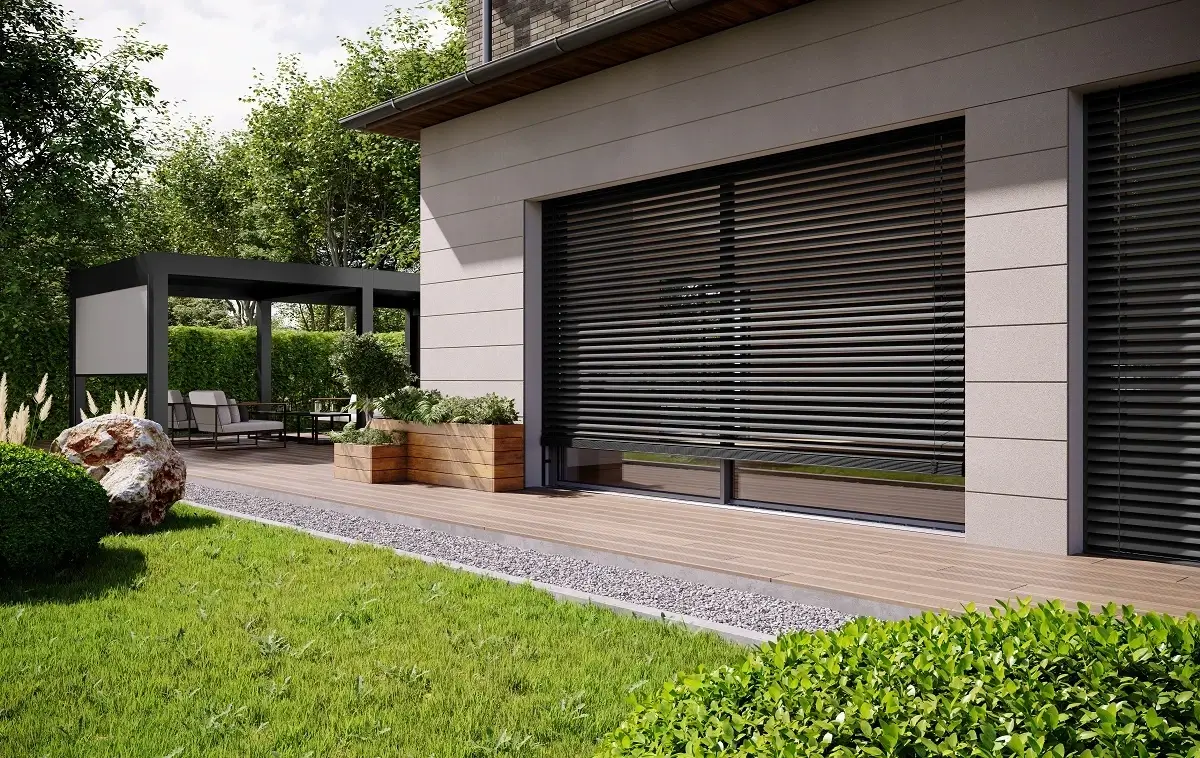
Modern energy-efficient buildings are designed to maximise the use of the sun's rays as a natural source of heat, making it all the more necessary to offset the impact of the sun during the hot months of the year. By using solar shading, the operation of air-conditioning units can be significantly reduced, thereby lowering electricity consumption. Users can take full advantage of the benefits of solar shading systems with control automation that reacts to changes in the weather.
The energy saved translates into the amount of toxic substances that would be produced in energy production and carbon dioxide emissions. Special programmes, which simulate the energy balance of a building, calculate accurate data assessing the effectiveness of solar shading.
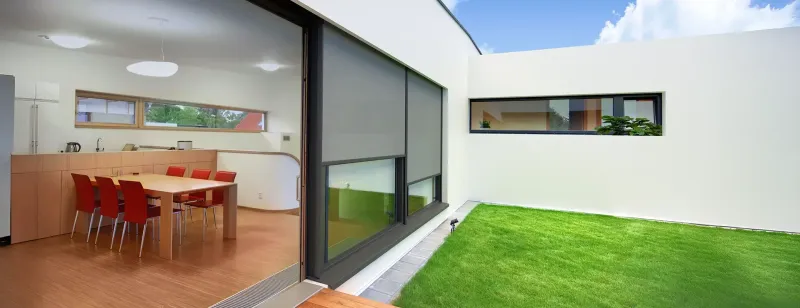
It is best to plan the selection of sunshades at the window design stage, rather than only after construction has been completed. Only then can the installation method, guides, control system and appearance of the façade be properly coordinated. In practice, the aim is for the su...
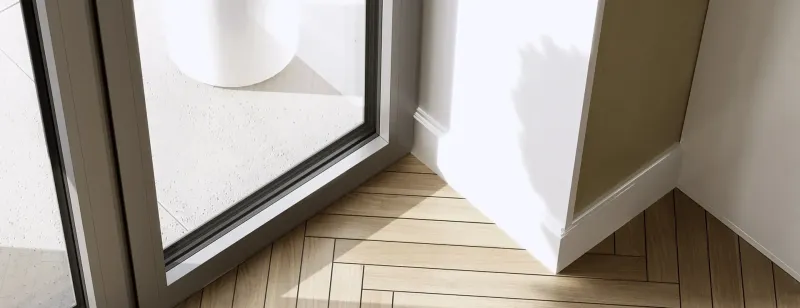
When discussing the energy efficiency of buildings, the most common topics are glazing specifications, the thickness of wall insulation and the performance class of joinery. Far less attention is paid to a phenomenon which, in practice, can determine actual energy losses, comfort...

Choosing the right glazing should be taken just as seriously as choosing the window frame. It is the glass that makes up the majority of a window’s surface area, so it has a significant impact on whether the interior will be warm in winter and better protected from noise. In prac...