BLOG




Low-emissivity glazing helps to reduce heat loss through the window. It works by means of a special coating that reflects heat back into the room whilst allowing daylight to pass through. As a result, rooms maintain a stable temperature more easily in winter, and being near a window is more comfortable. This is precisely why this type of glazing has become the standard in modern energy-efficient and passive construction.
In practice, low-emissivity glazing works best where minimising heat loss is paramount without compromising on good natural light. Within the Aluprof range, products such as the MB‑86N windows, which achieve a Uw value from 0.62 W/(m²K), and the MB‑104 Passive with a Uw value from 0.53 W/ (m²K). These are examples of designs in which the right profile and a carefully selected glazing unit work together to achieve high energy efficiency. If a house is to meet higher energy requirements, aluminium alone is not enough – the type of glass used in the window is also important. Only the combination of an aluminium system with low-emissivity glazing allows the desired effect to be achieved.
It is worth bearing in mind that ‘low-emissivity glazing’ does not automatically mean the same thing in every window. The effect is determined by the entire assembly: the number of panes, the structure of the glazing unit, the spaces between the panes and the capabilities of the specific profile. Therefore, for larger glazed areas, designs that allow for wider glazing units, such as the MB‑104 Passive or MB‑SLIMLINE, work well. From the user’s point of view, however, the most important thing is that this type of glazing improves comfort during the heating season and helps to reduce energy loss without significantly reducing the amount of light inside.
Solar control glazing is particularly worth considering when a house has large glazed areas facing south or west. Its purpose is to limit the amount of sunlight entering the interior, thereby reducing the risk of rooms overheating in summer. This is particularly important in modern homes with a living room opening onto the garden, large glazed areas or wide patio windows, where glass is one of the most important architectural features.
In such situations, good thermal insulation in winter alone may not be sufficient. If the glazing is exposed to intense sunlight for most of the day, the interior may heat up more than the homeowner anticipates. This is precisely when solar control glazing proves to be a practical choice. This is not about complete blackout, but about better control of temperature and light. This type of glazing is particularly useful for large patio and panoramic doors. A good example from Aluprof’s range is the MB‑82HS patio door, which has been designed for large glazed areas and a direct connection between the interior and the patio or garden. With such designs, a properly selected solar control glass can significantly improve comfort during the summer months.
A good time to consider this type of glass is at the design stage or when selecting the joinery. In practice, it is particularly worth considering this option when:
Such a decision is usually most cost-effective when it is based on the building’s orientation and how the interior is used.
Sound-insulating glazing is particularly important where a building is situated next to a busy road, railway lines, an airport or in a densely built-up urban area. Its purpose is to reduce external noise and improve everyday living comfort. In practice, this means a more restful sleep, easier concentration when working from home, and less fatigue caused by ambient noise. The effectiveness of such glazing depends on the construction of the glazing unit and its sound insulation parameters, but the window frame and the quality of the installation are equally important.
In practice, sound-insulating glazing is worth considering when noise is a constant feature of the environment, rather than just an occasional problem. If the house is situated on a quiet street, this option will not always be a priority. However, if outside noise is a daily nuisance, well-chosen glazing can significantly improve your quality of life. It is one of those elements that you do not notice at first glance, but whose absence or presence you very quickly feel once you have moved into the house.
FAQ
Are low-emissivity glazing units more expensive?
Usually yes, as they use a special coating that improves thermal insulation. In practice, however, they are now very common in modern glazing, and their cost should be weighed up against the subsequent thermal comfort and reduction in energy loss.
Which types of glazing protect against outside noise?
Sound-insulating glazing provides the best protection against noise; these are acoustic glazing units designed to reduce the transmission of ambient noise. However, it is important to remember that the effectiveness also depends on the quality of the frame, the window’s airtightness and the installation, so it is best to select such a glazing unit together with a suitable profile, rather than separately.
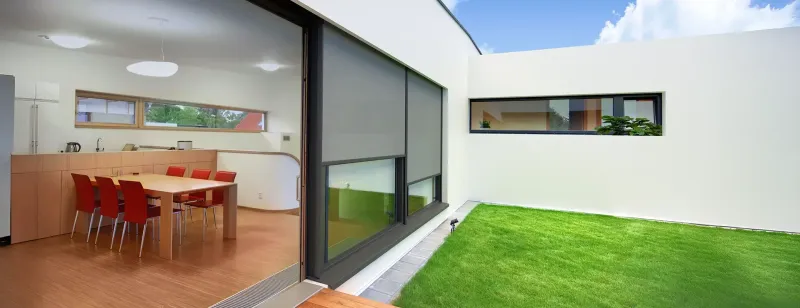
It is best to plan the selection of sunshades at the window design stage, rather than only after construction has been completed. Only then can the installation method, guides, control system and appearance of the façade be properly coordinated. In practice, the aim is for the su...
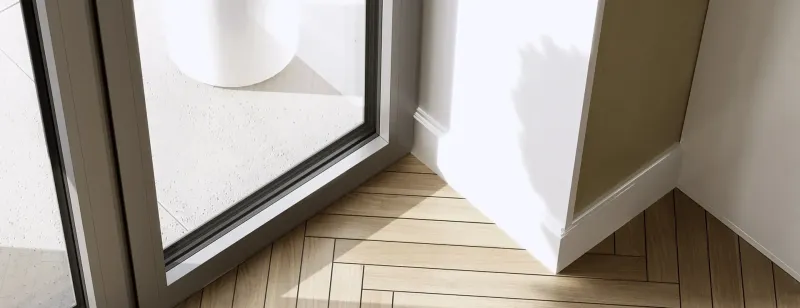
When discussing the energy efficiency of buildings, the most common topics are glazing specifications, the thickness of wall insulation and the performance class of joinery. Far less attention is paid to a phenomenon which, in practice, can determine actual energy losses, comfort...

Modern construction is increasingly based on the premise that energy efficiency does not stem from a single element, but from the well-designed interaction between windows and doors and sunshades integrated with control systems. In this context, home automation becomes a tool for...