BLOG




One of the most important areas of window automation is the control of roller shutters and external blinds. It is these that have a direct impact on the amount of heat energy that enters the interior through the glazing. Aluprof external roller shutters can be fitted with electric drives, which enable: This functionality combines the convenience of a smart home system with energy efficiency, as it reduces the need for air conditioning and heating without requiring user intervention.
An alternative to roller shutters are facade blinds, which not only cover the window but also adjust the angle of light. Automatic slat angle control: In buildings with large glazed areas – e.g. in living rooms opening onto a terrace – such shading works perfectly with Aluprof aluminium windows and doors.
Window automation only makes full sense when roller shutters and blinds respond to external conditions, rather than solely to user commands. Integration with sensors: allows the system to make independent decisions regarding the position of the shading. This approach means that home automation controlling windows is not a mere gadget, but a real aid to the building’s occupants. It affects not only comfort, but also energy savings on heating in winter and cooling in summer.
Aluprof solutions provide excellent thermal insulation performance. Automatic roller shutters and blinds: This is precisely why, in modern developments, they are increasingly treated as part of a single aluminium construction system rather than as independent components.
From the user’s perspective, window automation is not only about energy savings but also a significant increase in comfort. Automatic control of shading reduces the workload on air conditioning and heating systems, which translates into real savings. No overheating in summer or overcooling in winter, with no need for manual operation. Scenarios programmed into the smart home system automatically close the blinds, enhancing privacy and a sense of security. Automation can cover not only shading systems but also windows and sliding doors, which is particularly important in modern entrance and terrace areas.
The use of window automation is today one of the most effective ways to increase a building’s energy efficiency without altering its structure. Roller shutter control, integration with sensors and compatibility with modern Aluprof aluminium systems mean that the house reacts automatically to external conditions.
As a result, the client benefits from:
FAQ
Which automation systems are compatible with aluminium windows?
Aluprof aluminium windows are designed to work with automation systems through integration: Automation applies to shading systems and moving parts that work in conjunction with the window as a whole, enhancing its functional and energy efficiency.
Does automation actually reduce energy consumption?
Yes. Automatic control eliminates the randomness typical of manual operation. Roller shutters and blinds react precisely when it makes energy sense, which:Can only some of the windows be automated?
Of course. Automation can cover: The system can be expanded in stages, which is common practice in detached houses and modernised buildings.
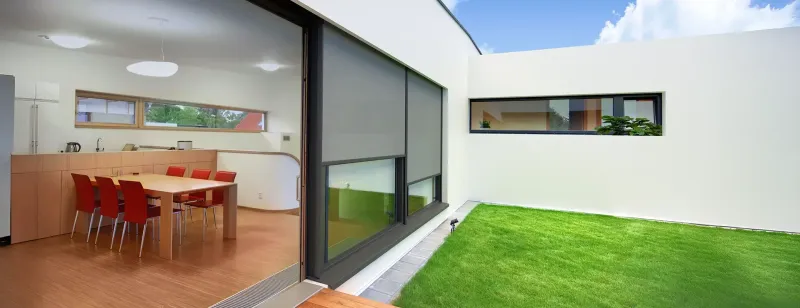
It is best to plan the selection of sunshades at the window design stage, rather than only after construction has been completed. Only then can the installation method, guides, control system and appearance of the façade be properly coordinated. In practice, the aim is for the su...
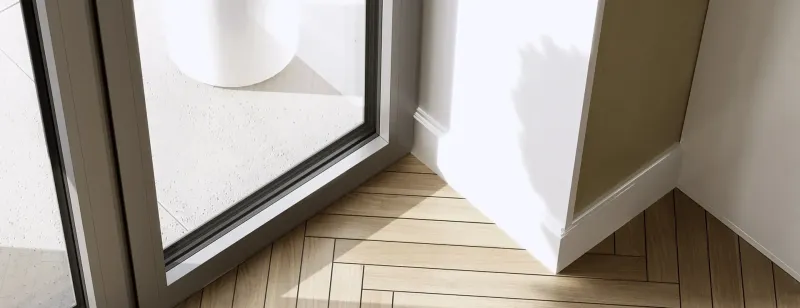
When discussing the energy efficiency of buildings, the most common topics are glazing specifications, the thickness of wall insulation and the performance class of joinery. Far less attention is paid to a phenomenon which, in practice, can determine actual energy losses, comfort...
Choosing the right glazing should be taken just as seriously as choosing the window frame. It is the glass that makes up the majority of a window’s surface area, so it has a significant impact on whether the interior will be warm in winter and better protected from noise. In prac...