BLOG



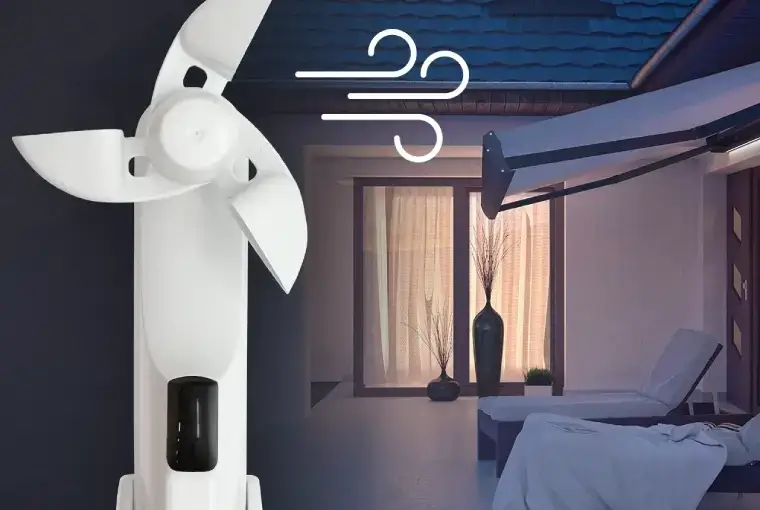
When the wind alarm value is exceeded, the standard set automation triggers the closing movement immediately (up to 3 sec.), protecting the system from the effects of the wind. The wind alarm blocks the manual and automatic opening of the system until the wind speed remains below the alarm value for 10 minutes.
The most commonly used wind sensors in awnings are shock sensors, and in other systems the popular 'windmills', which also come in a version with an integrated sun sensor. Priority is always given to the wind alarm - when it is triggered, other functions are temporarily blocked. If a wind sensor is installed, the automation only leads to the closing of the system. If a sun sensor is used at the same time, an opening/closing movement is triggered when the wind stops (10 minutes below the alarm value) and the light intensity exceeds the threshold value for 2 minutes.
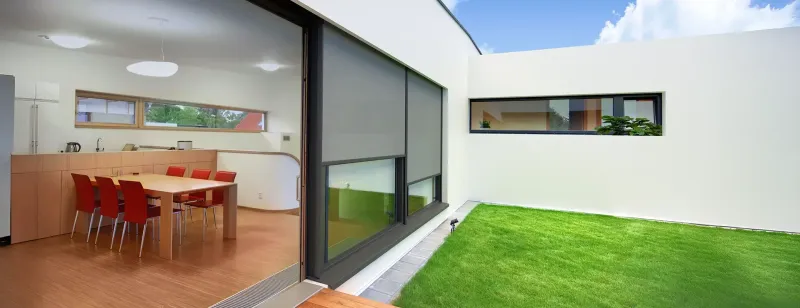
It is best to plan the selection of sunshades at the window design stage, rather than only after construction has been completed. Only then can the installation method, guides, control system and appearance of the façade be properly coordinated. In practice, the aim is for the su...
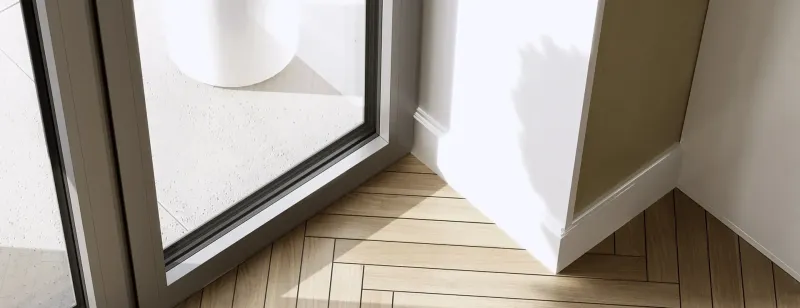
When discussing the energy efficiency of buildings, the most common topics are glazing specifications, the thickness of wall insulation and the performance class of joinery. Far less attention is paid to a phenomenon which, in practice, can determine actual energy losses, comfort...

Choosing the right glazing should be taken just as seriously as choosing the window frame. It is the glass that makes up the majority of a window’s surface area, so it has a significant impact on whether the interior will be warm in winter and better protected from noise. In prac...