BLOG



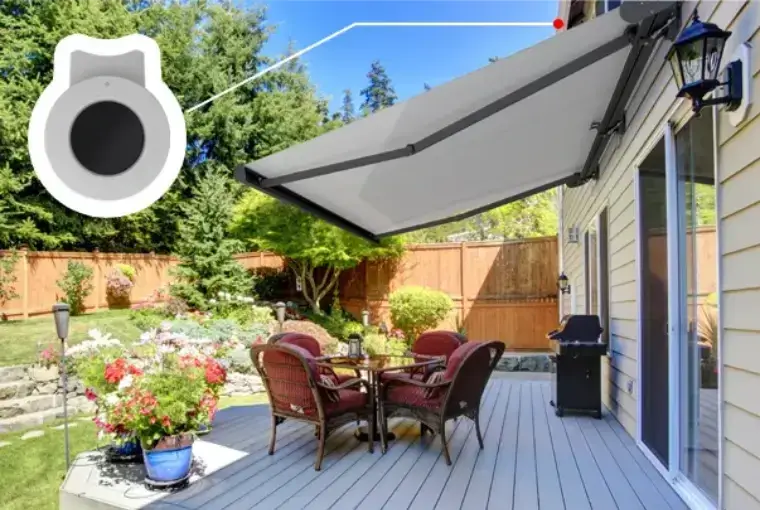
How does the sun sensor work?
If the light intensity exceeds a threshold value for 2 minutes, the opening/extension movement is triggered. When the light intensity is below the threshold value for 15 minutes, a closing/retracting movement is triggered. Time delays and hysteresis have been introduced so that the system does not react to short-term changes in weather conditions, so that the motor does not overheat (taking into account its continuous running time) and is always ready for emergency retraction.
What are the advantages of a system with solar automation?
By automatically reducing the penetration of thermal radiation, thermal comfort is increased. This is particularly effective when using external shading. The internal temperature in a room with solar shading is 5°-10° lower than in a room without such shading (if the sun's rays fall on the window). If air-conditioning is used, the energy that would have been used to cool the interior is saved, thus reducing costs. By automatically uncovering the shades at low light levels, the use of artificial light can be reduced. This can result in considerable savings in lighting systems that switch on and off automatically to provide constant illumination of workplaces. By supplementing the sun sensor with a temperature sensor, it is possible to additionally use the function of reheating the room if the indoor temperature is lower than set. Winter gardens are an example of such an application. The light sensor can also be used in some systems to detect dusk and roll down the sun shading to protect privacy.
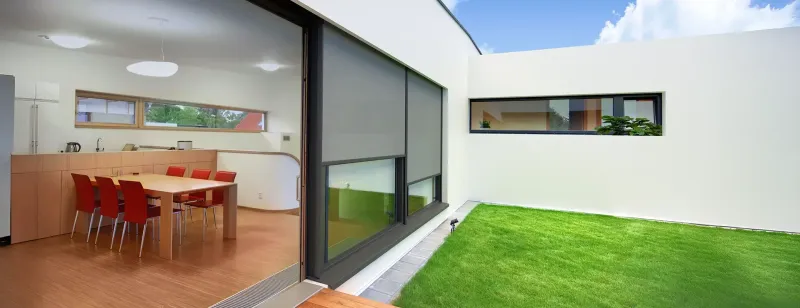
It is best to plan the selection of sunshades at the window design stage, rather than only after construction has been completed. Only then can the installation method, guides, control system and appearance of the façade be properly coordinated. In practice, the aim is for the su...
When discussing the energy efficiency of buildings, the most common topics are glazing specifications, the thickness of wall insulation and the performance class of joinery. Far less attention is paid to a phenomenon which, in practice, can determine actual energy losses, comfort...

Choosing the right glazing should be taken just as seriously as choosing the window frame. It is the glass that makes up the majority of a window’s surface area, so it has a significant impact on whether the interior will be warm in winter and better protected from noise. In prac...