BLOG




The payback of the purchase costs is directly determined by the energy saved, which would have been spent on cooling (we block the heat input) and heating. The cost savings can be calculated using building energy efficiency simulation programmes.
The rate of return depends on several factors:
Taking into account the above factors, the payback time for the purchase of solar protection systems is between 5 and 15 years. A study* was carried out in our climate zone, comparing the energy consumption of windows without an external solar control system, but with glazing fitted with a coating that blocks the transfer of thermal energy, with windows with an external solar control system controlled by a sun sensor (uncoated glazing). They have shown that by using glazing with a coating that effectively permanently blocks heat energy from the sun, we are depriving ourselves of the possibility of reheating the room with solar energy in autumn-winter and winter-spring. On the other hand, by using a dynamic solar shading system, we achieve significant energy savings (for cooling and heating the building). The advantage of dynamic shading over fixed shading comes from the ability to block energy and deliver it when it is needed. The use of a solar panel makes the system fully autonomous. Solar shading offers not only cost savings, but also comfort for users and contributes to environmental protection by reducing energy consumption. *Based on "AWNINGS AND SOLAR-PROTECTIVE GLAZING FOR EFFICIENT ENERGY USE IN COLD CLIMATES".
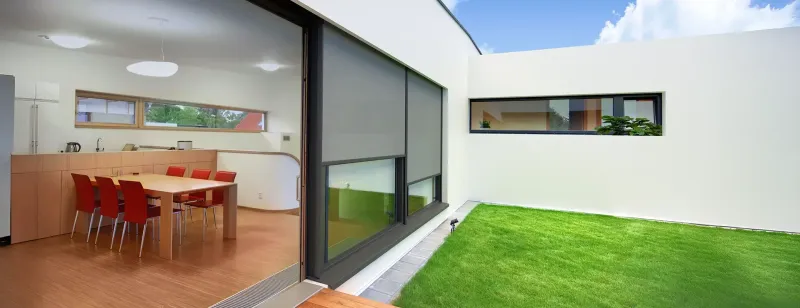
It is best to plan the selection of sunshades at the window design stage, rather than only after construction has been completed. Only then can the installation method, guides, control system and appearance of the façade be properly coordinated. In practice, the aim is for the su...
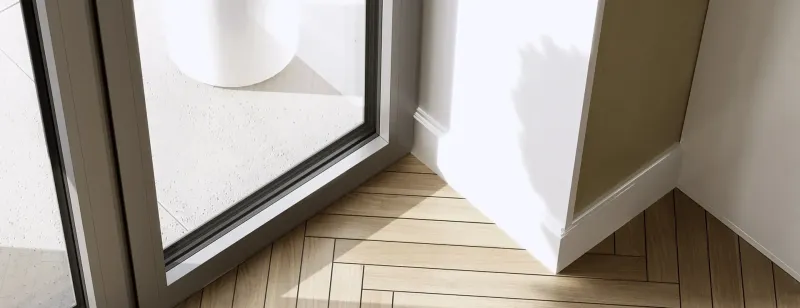
When discussing the energy efficiency of buildings, the most common topics are glazing specifications, the thickness of wall insulation and the performance class of joinery. Far less attention is paid to a phenomenon which, in practice, can determine actual energy losses, comfort...

Choosing the right glazing should be taken just as seriously as choosing the window frame. It is the glass that makes up the majority of a window’s surface area, so it has a significant impact on whether the interior will be warm in winter and better protected from noise. In prac...