BLOG



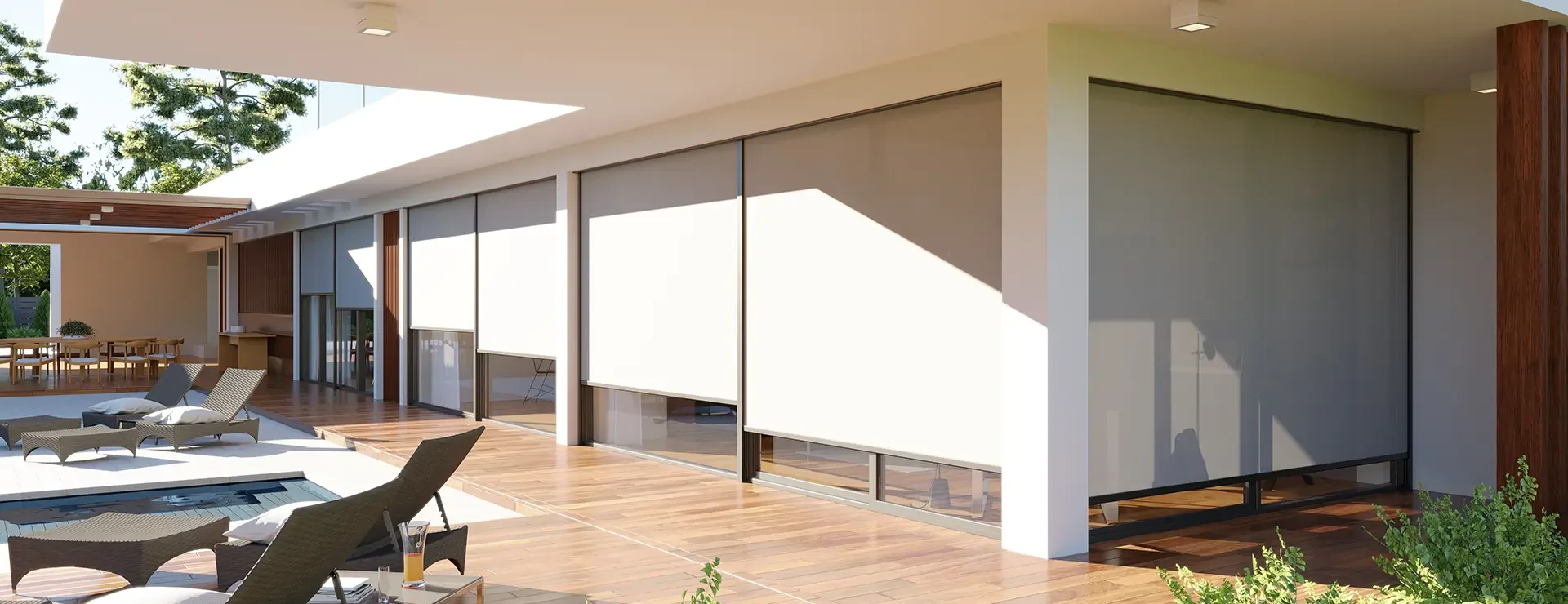
In summer, we are increasingly faced with extreme temperatures that not only put strain on building air conditioning systems but also negatively affect our overall wellbeing. The increase of energy costs and the requirements of sustainable building mean that passive cooling methods are no longer just an option, they are becoming a necessity. In this context, aluminium sunshades, such as external venetian blinds, external roller shutters, and screens, play a key role in designing modern, energy-efficient buildings.
Passive cooling is a building design strategy that reduces indoor heat gain without relying on electricity – through thoughtful window placement, the use of materials with high thermal insulation, and the installation of shading systems. The effectiveness of this method largely depends on protection from solar radiation – and this is precisely where aluminium shades come into their own.
Aluminium is a material that combines exceptional durability with lightness and weather resistance. It makes it possible to build long-span structures while maintaining a minimalist design and high technical efficiency. Importantly, aluminium is fully recyclable, which further aligns with the principles of circular economy.
External Venetian Blinds provide a solution that enables dynamic management of the amount of daylight entering the interior. By adjusting the angle of the slats, users can choose the level of shading depending on the sun’s position – reducing indoor heat gain while ensuring optimal levels of natural daylight.
Surface-mounted aluminium roller shutters act as an additional layer of insulation. They effectively reflect the sunlight before it reaches the glass – significantly reducing the amount of heat entering the building. In summer, this helps maintain lower indoor temperatures, even without activating air conditioning.
Screens installed using side guide systems, often integrated into the façade, offer a subtle yet highly effective form of solar protection. The technical fabrics used can block more than 90% of heat from solar radiation, while still allowing partial transparency. Although they slightly limit visibility, they maintain visual contact with the outside environment. This makes them a successful combination of functionality and aesthetics.
Modern Aluprof sunshades can be integrated into building automation systems. Control based on sunlight and temperature sensors optimises their operation without user intervention. This brings not only greater convenience, but also real savings – reducing the energy consumed by air conditioning results in lower bills and a smaller carbon footprint.
Aluprof, as a leader in the production of advanced aluminium systems, actively supports the idea of sustainable construction. The incorporation of sunshades into designs not only enhances occupant comfort but also contributes to the development of low-energy and passive buildings. Combined with appropriate glazing and aluminium joinery, these sunshades become an integral part of energy-efficient architectural strategies.
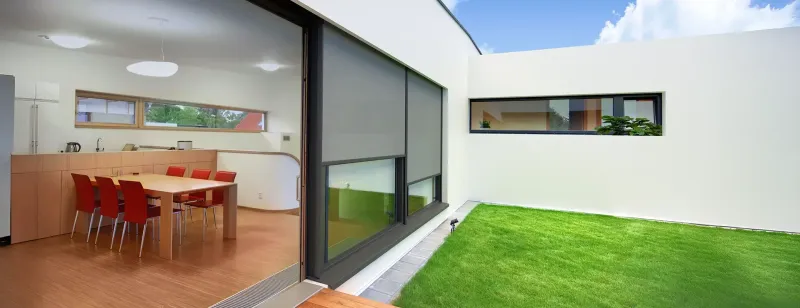
It is best to plan the selection of sunshades at the window design stage, rather than only after construction has been completed. Only then can the installation method, guides, control system and appearance of the façade be properly coordinated. In practice, the aim is for the su...
When discussing the energy efficiency of buildings, the most common topics are glazing specifications, the thickness of wall insulation and the performance class of joinery. Far less attention is paid to a phenomenon which, in practice, can determine actual energy losses, comfort...
Choosing the right glazing should be taken just as seriously as choosing the window frame. It is the glass that makes up the majority of a window’s surface area, so it has a significant impact on whether the interior will be warm in winter and better protected from noise. In prac...