BLOG



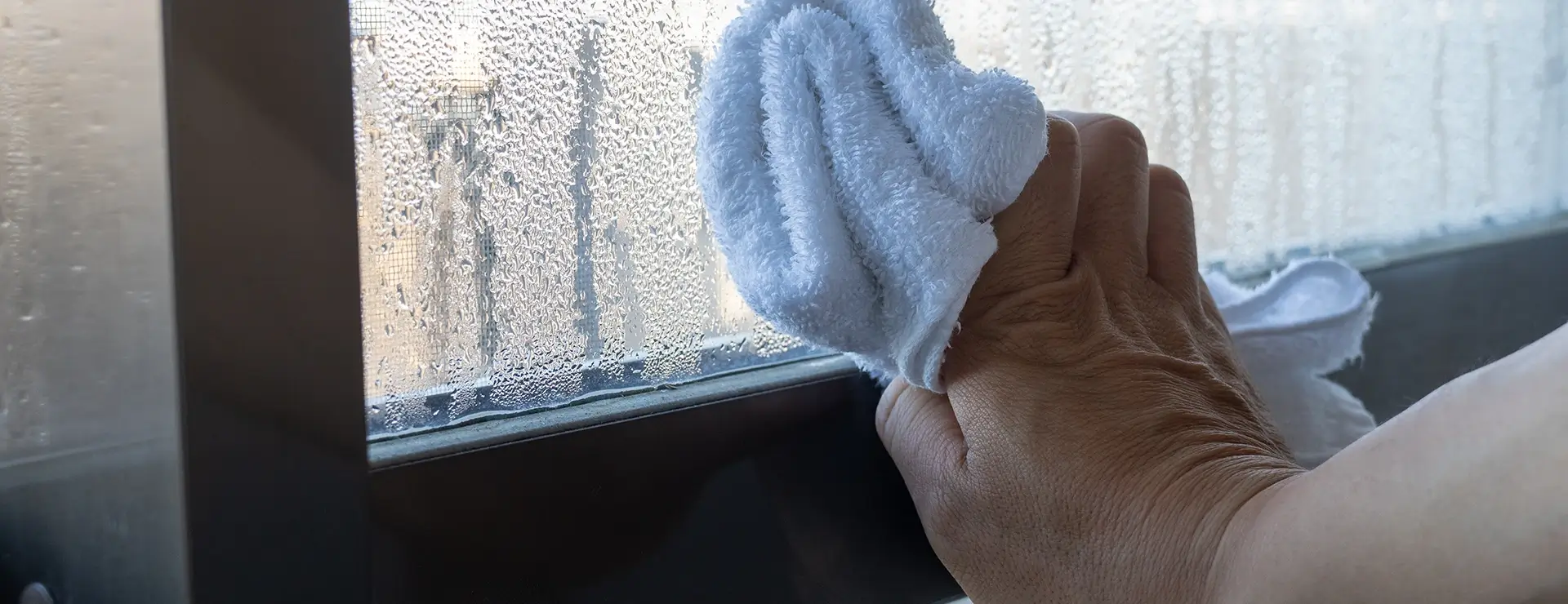
One of the most common mistakes is choosing a window which, in theory, fits the design, but in practice does not fully correspond to the dimensions of the opening, the planned weight of the sash or the expected rigidity of the entire structure. This type of error does not usually become apparent straight away. Initially, everything works correctly, but over time the sash may become harder to operate, handling becomes less comfortable, and the user feels that the window does not provide the stability they expected. This is precisely why it is so important, with larger formats, to match the profile to the scale of the glazing. In Aluprof’s range, this is clearly illustrated by the MB‑86N windows, designed for larger and heavier structures, or the MB-SKYLINE TYPE R sliding doors, which, despite their slim profiles, allow for the creation of panoramic glazing. Conversely, in buildings with very high energy efficiency requirements, the MB‑104 Passive serves as a good benchmark, as it combines the ability to create large structures with performance parameters that meet passive house standards. These are not merely differences on paper – they are often the deciding factor in whether the joinery will remain comfortable to use even years later.
A second common mistake is an overly simplistic choice of glazing. A good frame alone is not enough if the building is situated on a busy street, receives intense sunlight, or has a living area with large glazed surfaces. In such situations, it is necessary to check not only the parameters of the window itself, but also the glazing options. An incorrectly selected glazing unit may, after a few years, result in cold draughts by the pane, poorer sound insulation or overheating of the interior in summer. This is precisely why the choice of aluminium windows should begin with the question of where the house is situated and how the individual rooms will be used.
It is also worth bearing in mind aesthetic and functional errors, which only become apparent once the entire renovation is complete or after moving into the house. It sometimes happens that a client chooses windows that are technically sound but do not match the style of the building. In modernised houses, terraced houses or interiors with a more subtle design, a profile that is too bulky can disrupt the proportions of the façade and the way light is perceived. Conversely, in buildings with more demanding structural requirements, a frame that is too delicate may fail to provide the expected stability. Such mistakes do not lead to breakdowns, but over time they become very noticeable in the day-to-day experience of living in the house. To avoid them, it is worth seeking expert advice when choosing aluminium windows.
Mistakes when choosing windows very rarely become apparent suddenly. Much more often, the problem makes itself felt gradually, affecting day-to-day comfort. The occupant notices that it is cooler by the window than in other parts of the room, or that outside noise is more audible than it should be. In energy-efficient homes, this effect is particularly noticeable, as the other building elements usually have a good standard of insulation and it is the windows that begin to play the most important role in how the interior is perceived. Therefore, when assessing the quality of a window, it is not enough to look at the Uw coefficient alone. Equally important are the profile design, the seals, the glazing configuration and the airtightness of the entire structure. Aluprof structures, fitted with thermal breaks and advanced seals, allow for the use of a variety of glazing units, enabling the window to be better adapted to the building’s location and to expectations regarding acoustic and thermal comfort.
After several years, mistakes in the choice of opening mechanism also become very apparent. A window that seemed functional at the design stage may, over time, become a nuisance to use if the weight of the sash or its dimensions have not been properly adapted to the requirements. Another problem arises when the type of opening restricts furniture placement or hinders the use of the space. In practice, this means that even good technical specifications cannot compensate for a poor functional decision. In the case of large glazed areas leading onto a terrace, sliding systems such as the MB-SKYLINE TYPE R often prove more suitable than traditional hinged doors, as they minimise the space required to open the sashes and facilitate movement between the interior and the garden.
Added to this is noise, which is one of the most common reasons for disappointment with new joinery. The client sees good thermal performance and assumes that the window will be equally effective acoustically. However, sound insulation depends on the entire system: the profile, the glazing unit and the quality of installation. If this issue is overlooked at the selection stage, disappointment only sets in later, when the user realises that the new windows have not improved acoustic comfort as much as they had expected. The most common window problems do not, therefore, stem from a single product flaw, but from a mismatch of several elements at once: dimensions, mechanism, glazing and the room’s function.
The simplest way to minimise the risk is to treat the window as part of a larger whole, rather than as an individual product with just one good specification. Before purchasing, it is worth checking not only the U-value, but also:
Once these factors have been analysed, it becomes easier to view the window as an element of the building’s structure, rather than merely an individual product with a specific U-value. In practice, this means matching a specific model to the actual requirements of the project. MB‑86N windows deliver a very high level of energy efficiency, which is extremely important in modern construction. Where thermal insulation requirements are particularly stringent, however, it is worth considering the MB‑104 Passive. Conversely, in projects featuring large glazed areas, sliding systems such as the MB-SKYLINE TYPE R can be of significant importance, as they maintain user comfort even with very large sash dimensions.
The second key factor is installation. Even a very good window will not perform to its full potential if it is fitted incorrectly or not properly sealed against the wall. This is particularly important in energy-efficient construction, where simply using high-performance windows is not enough. It is also crucial to position the window correctly within the insulation zone and ensure a tight seal where the frame meets the wall. This is an important practical tip, as some installation errors remain hidden for a long time and only become apparent years later in the form of draughts, damp or a noticeable reduction in comfort.
What specifications should you check before buying?
Before buying, it is worth checking at least a few basic things: the Uw value of the entire window, the profile’s construction and intended use, the glazing range, water and air tightness, the opening mechanism, and the permissible sash dimensions. The larger the glazing area or the higher the building standard, the more important this information becomes.
Yes, this is very often the case. A leaky joint between the frame and the wall, or incorrect window installation, may not show any obvious signs for some time, but after a few seasons can lead to cold draughts around the window frames, damp or a deterioration in thermal comfort. That is why installation must be taken just as seriously as the choice of the window itself.
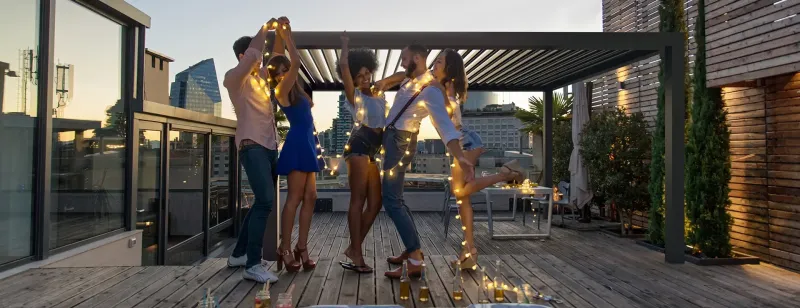
A terrace can be more than just a seasonal space used on warm days. A well-designed pergola turns it into a natural extension of the home, providing protection from the sun and rain, as well as greater freedom in its day-to-day use. How does the functionality of a terrace change ...
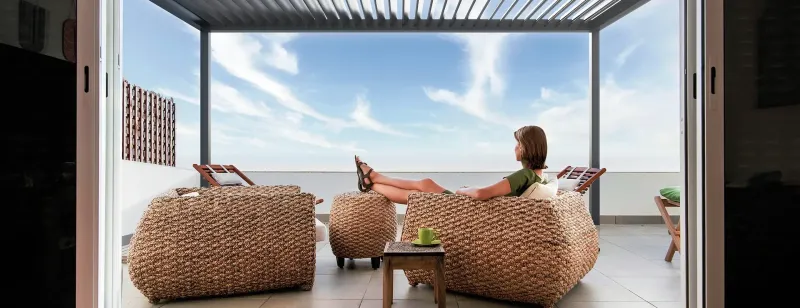
In modern homes, the boundary between the interior and the outdoor space is becoming increasingly blurred. The terrace is no longer merely an addition to the building but increasingly serves as a natural extension of the living room or dining room.
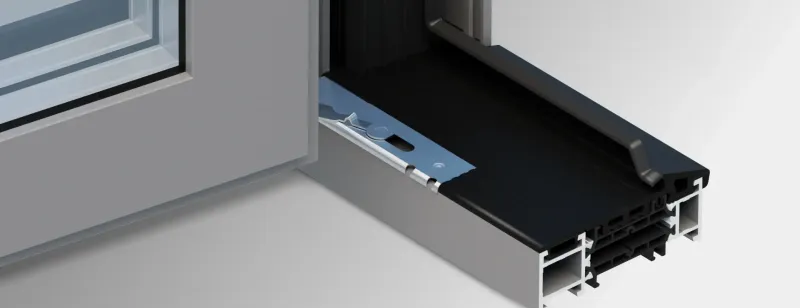
Before buying aluminium windows, it is easy to focus on the colour, price or the U-value alone. These are important factors, but they do not give the full picture. Whether a window will be durable, airtight and comfortable in everyday use depends largely on the profile and fittin...