BLOG



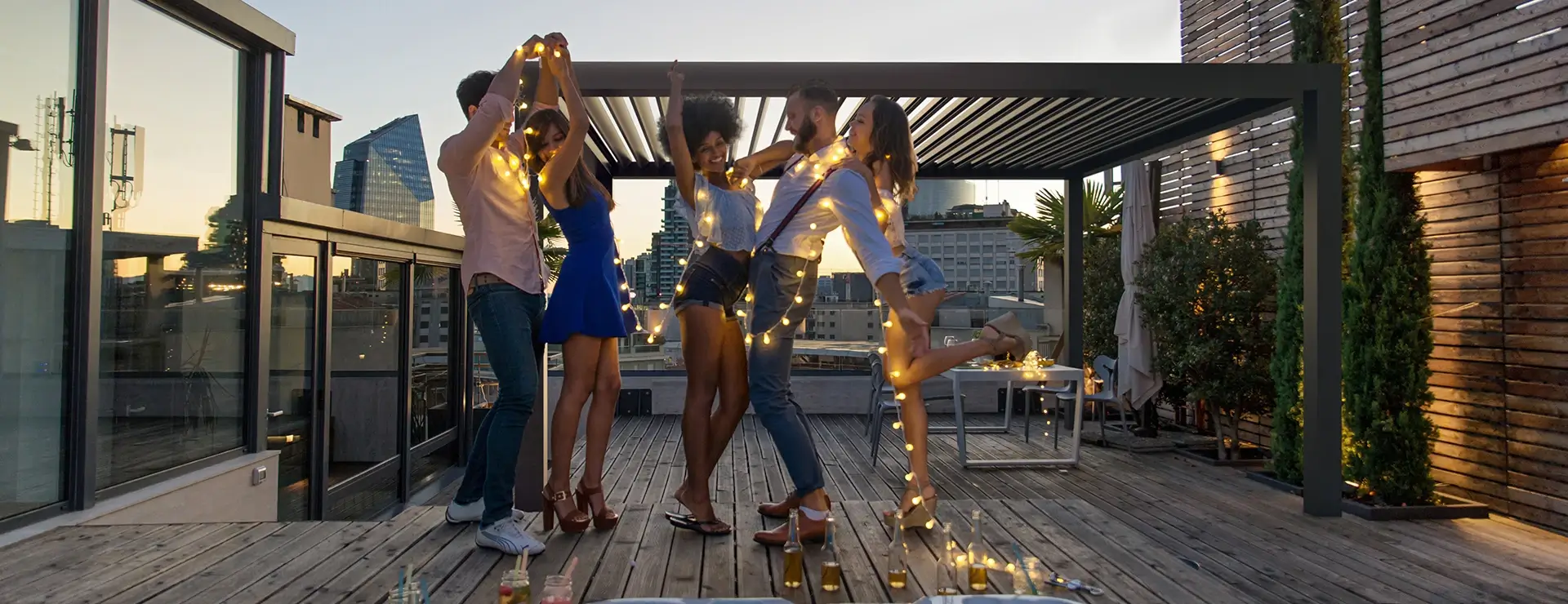
A terrace is one of the most popular spaces to include around a house, but in practice it often turns out to be used less frequently than the owners had anticipated. The reason is simple – its functionality depends largely on the weather. Intense sunshine, sudden rain or strong winds can effectively limit the ability to use this part of the property. As a result, the terrace, which was intended to be a natural extension of the living area, remains empty for much of the year.
This problem is particularly evident with large glazed areas overlooking the garden. The sun affects not only the terrace itself, but also the interior spaces immediately behind it. Without adequate shelter, the outdoor space becomes less comfortable to use, and the household members are more likely to choose to stay indoors. This is precisely why, increasingly, terrace roofing is being incorporated at the design stage, allowing this space to be used to a much greater extent than traditional awnings or seasonal covers.
A pergola transforms a terrace from a space used only occasionally into one that can be enjoyed almost every day. Protection from the sun’s rays allows you to spend time outdoors comfortably even during heatwaves, whilst the roof minimises the impact of passing showers on your daily use of the terrace. In practice, a pergola helps you to:
This is particularly evident in the case of bioclimatic pergolas, such as the SB 450. The adjustable slats allow you to control the amount of light reaching the shaded area, so that conditions can be adapted to the weather and your own preferences. Another key feature is the option to fit the pergola with additional elements, such as LED lighting or side screens, like Slides or Shutters. Thanks to these, the terrace is no longer a space used exclusively on sunny days, but a place that can be enjoyed from early spring to late autumn.
Contemporary homes are designed to seamlessly blend the interior with the garden. A pergola helps to organise this relationship, clearly defining the boundary between the building and its surroundings, whilst at the same time not isolating one space from the other. Its presence gives the terrace a more specific function. Instead of an open area, it becomes a space with a clearly defined purpose, which makes it easier to arrange and use on a daily basis. A suitably chosen structure can also emphasise the line of the façade and create a cohesive composition with windows, patio doors and other architectural elements.
A pergola makes it easier to divide the terrace into zones that cater to the different needs of the household. Depending on the size of the space, this could be a seating area with garden furniture, a place for shared meals or a zone dedicated to relaxation. Organising the space in this way means that the terrace begins to function much like the interior of the house. Each part has a specific purpose, and the whole becomes more functional and comfortable to use. This is particularly important in modern architecture, where the garden and terrace are treated as an integral part of everyday life.
One of the biggest changes brought about by a pergola is the way the boundary between the house and the outdoor space is perceived. Combined with large glazed areas, the terrace ceases to be a separate functional zone and becomes a natural extension of the living room or dining room. This effect is particularly noticeable in homes fitted with large sliding doors such as the MB-SKYLINE TYPE S. When opened, the interior blends seamlessly with the space under the pergola, creating a single, larger area for everyday use. As a result, the garden feels closer to the household, and the building itself appears more spacious and open.
Does a pergola provide protection from the rain?
Yes. In the case of pergolas fitted with adjustable roof slats, when these are closed, water is channelled into an integrated guttering system, allowing you to use the terrace even when it is raining.
Does a pergola affect the comfort of the interior of the house?
Yes. Reducing the amount of sunlight reaching the glazed areas can help to minimise the heating up of rooms adjacent to the terrace, particularly in summer.
What features enhance the functionality of a pergola?
The most popular additions include LED lighting, side screens, radiant heaters and automated control systems. These allow you to make more versatile use of the terrace and better adapt the space to your needs.

When choosing windows, it’s easy to focus on what’s immediately obvious: the colour, the finish, the price or selected specifications from the product sheet. However, most mistakes only become apparent over time – after a few heating seasons, following intensive use, or once the ...
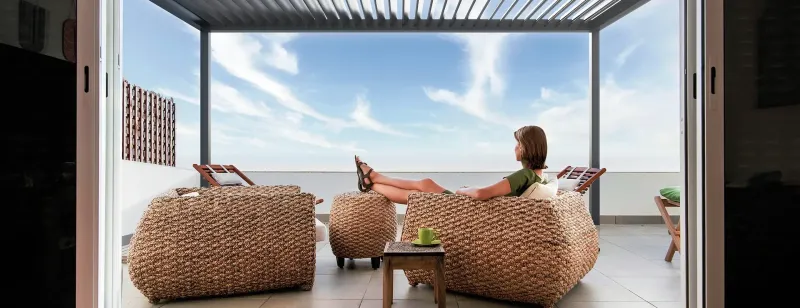
In modern homes, the boundary between the interior and the outdoor space is becoming increasingly blurred. The terrace is no longer merely an addition to the building but increasingly serves as a natural extension of the living room or dining room.
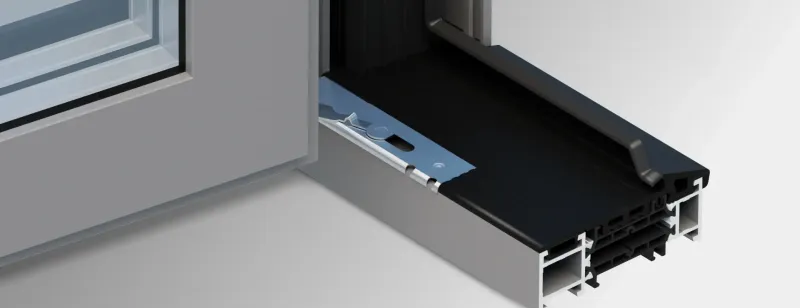
Before buying aluminium windows, it is easy to focus on the colour, price or the U-value alone. These are important factors, but they do not give the full picture. Whether a window will be durable, airtight and comfortable in everyday use depends largely on the profile and fittin...